Elisah- Engaging communities
Often, the strongest ties collapse when faced with changes as they are not equipped with resources that help them adapt to these changes. Therefore, as designers, it is crucial to provide users with tools that can help them be resilient.
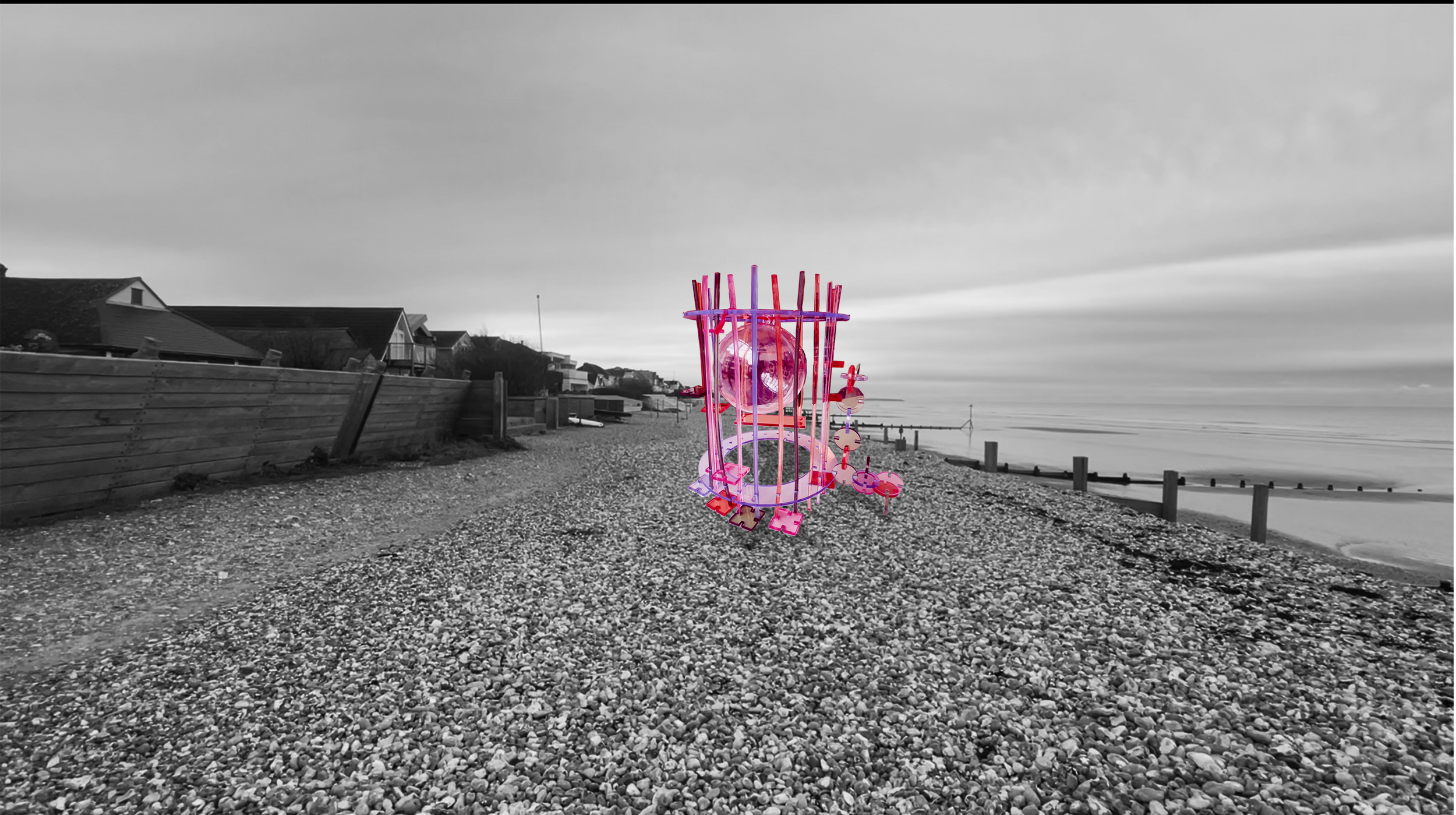
Key Learnings
As part of our design sprint, our team consisting of Anna, Cathy, Millie, Moya, and myself, aimed to create tools that could boost community cohesion by improving communication channels between diverse demographics. As the sole service designer, I supported the team's efforts by implementing a robust research strategy throughout the project. This research strategy allowed us to gather relevant data and insights, which were then utilized to enhance our design process and align our team towards common goals.
During this project, I also gained a deeper understanding of service design methodologies and tools. Drawing upon my expertise in service design, I helped to structure our approach and generate innovative solutions. By leveraging service design techniques, we ensured that our designs were user-centered and met the needs of the target demographics.
Overall, through this design sprint, we were able to develop tools that were specifically tailored to the community's needs, and fostered a sense of inclusivity among the diverse populations. Additionally, my contribution to this project not only supported my team members throughout the project but also strengthened my own skills and expertise in service design.
Highlights
Throughout our project, we aimed to explore the concept of design resilience and how it could be used to strengthen community resiliency. We concluded that design plays a significant role in improving resiliency and decreasing dependence on top-down government approaches, which can be difficult, time-consuming, and complicated. When we equip residents with the right tools and promote community cohesion, they can effectively manage their own problems and rely on collective strength to face impending difficulties, reducing the strain on government resources.
This approach is particularly effective in smaller towns and villages where people may have a sense of familiarity with one another. By providing residents with the necessary training and tools, they can autonomously resolve issues and improve their community's overall quality of life. This not only empowers individuals but also reduces the burden on government agencies to provide assistance. Hence, the design resilience approach can be an effective means of promoting community self-sufficiency and reducing reliance on government intervention.
Grand Challenge is foregrounded by the SDG14 - “Life Below Water. Conserve and Sustainably Use the Oceans and Marine Resources for Sustainable Development” - and the ICO UNESCO’s Ocean Decade. The brief is to explore the ways design can leverage and stimulate citizen science led practices for increasing resilience in coastal communities in East wittering. The objectives of the Grand Challenge centre around the designing engagement through collaborative frameworks, methods and strategies to empower and mobilise local communities (and civil society) in meeting the UN Sustainable Agenda SDG 14 by addressing goals 5, 10, 11, 12, 13, 15, and 17.
Brief
Process
We structured ourselves as we identified our individual strengths and divided work to achieve the common goal in limited amount of time.


Understand
Ideate


Collaborate
Deliver
Understand
a.
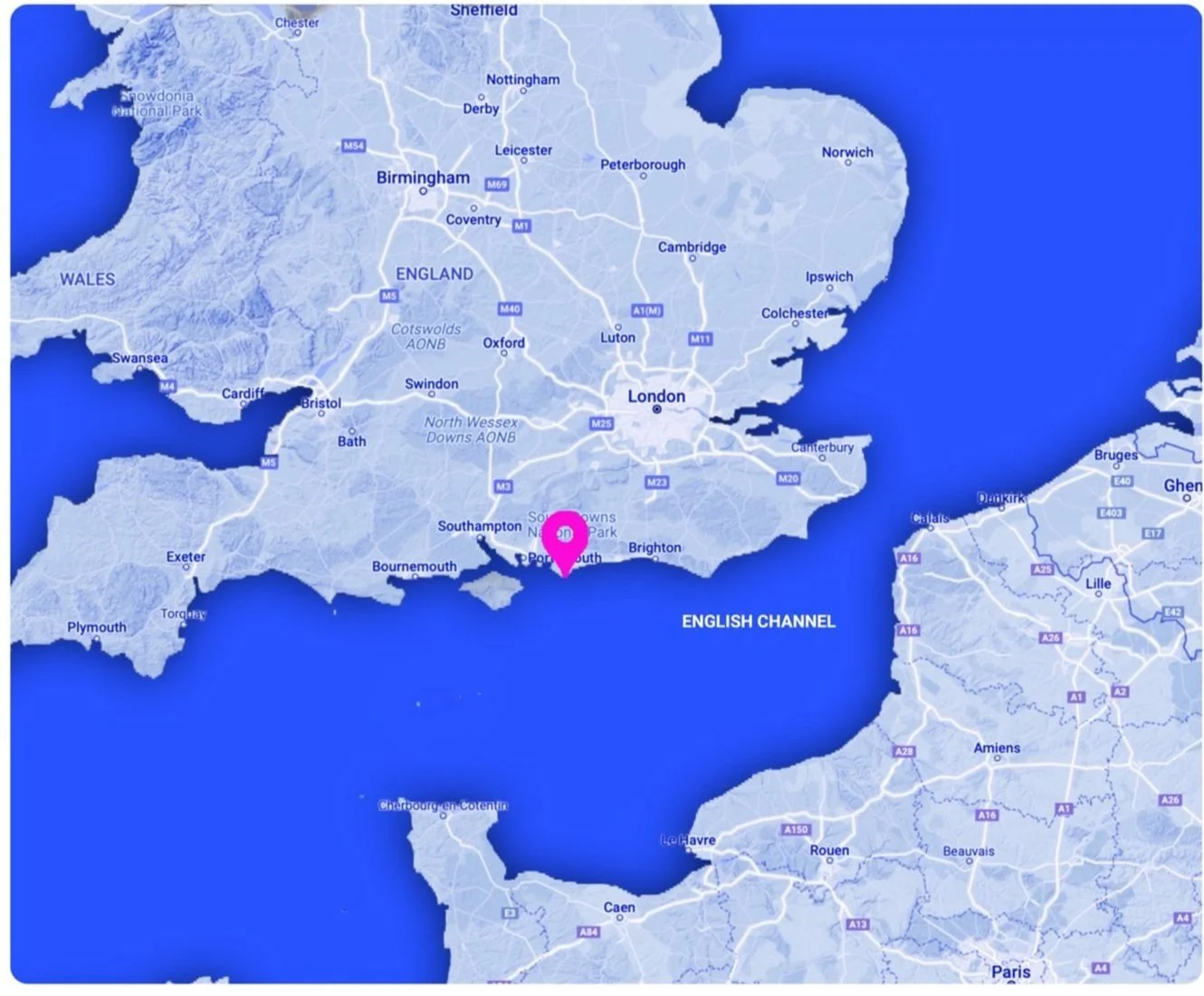
East wittering is a coastal village in Chichester District in West Sussex. The village is 87 miles away from London.
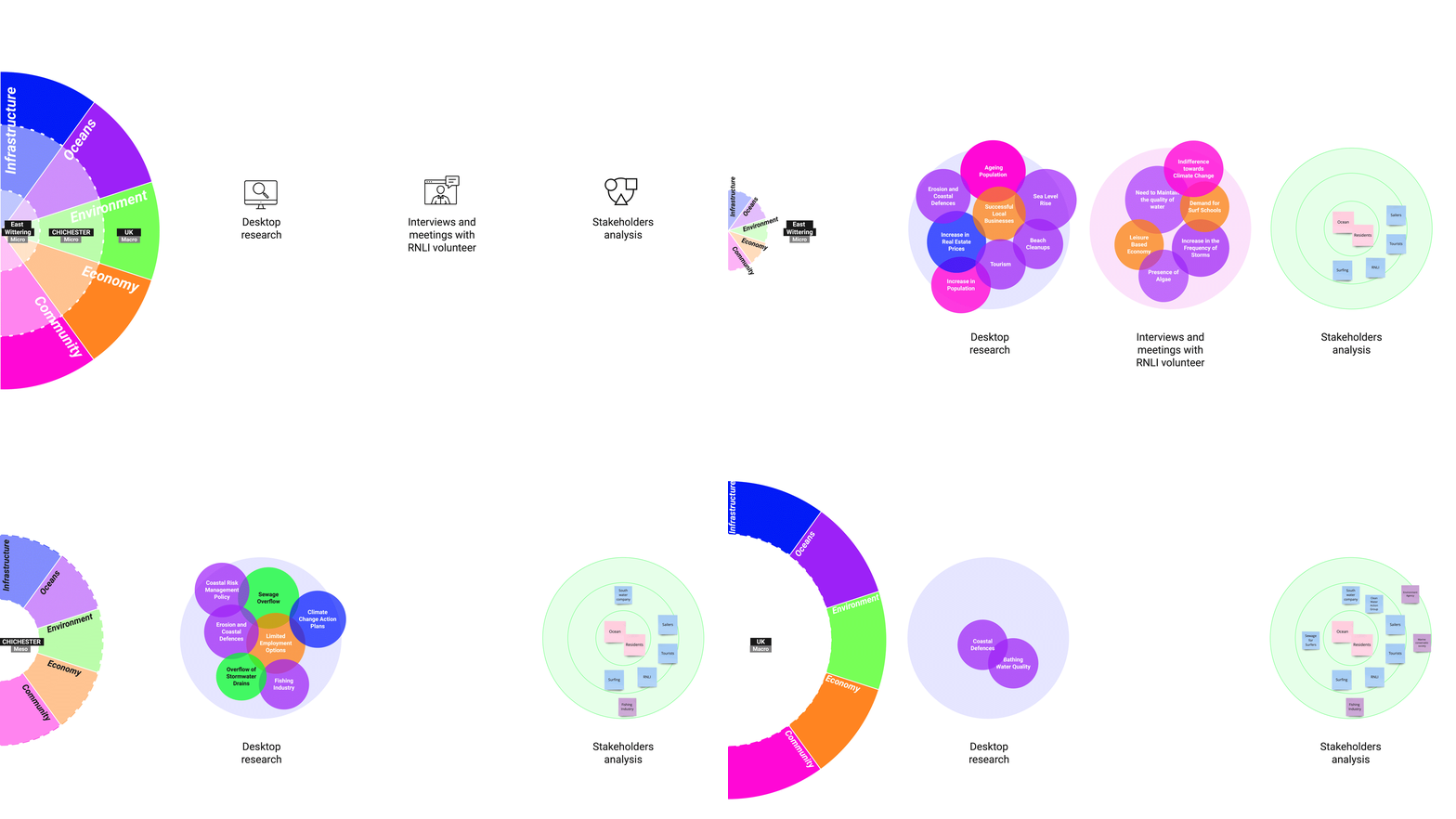
To understand the local context, I looked at 5 main components at East wittering (Micro), Chichester district (Meso) and United Kingdom (Macro).
Economy
Environment
Ocean Policies and management services
Infrastructure and transportation
Demographics and Community
b.
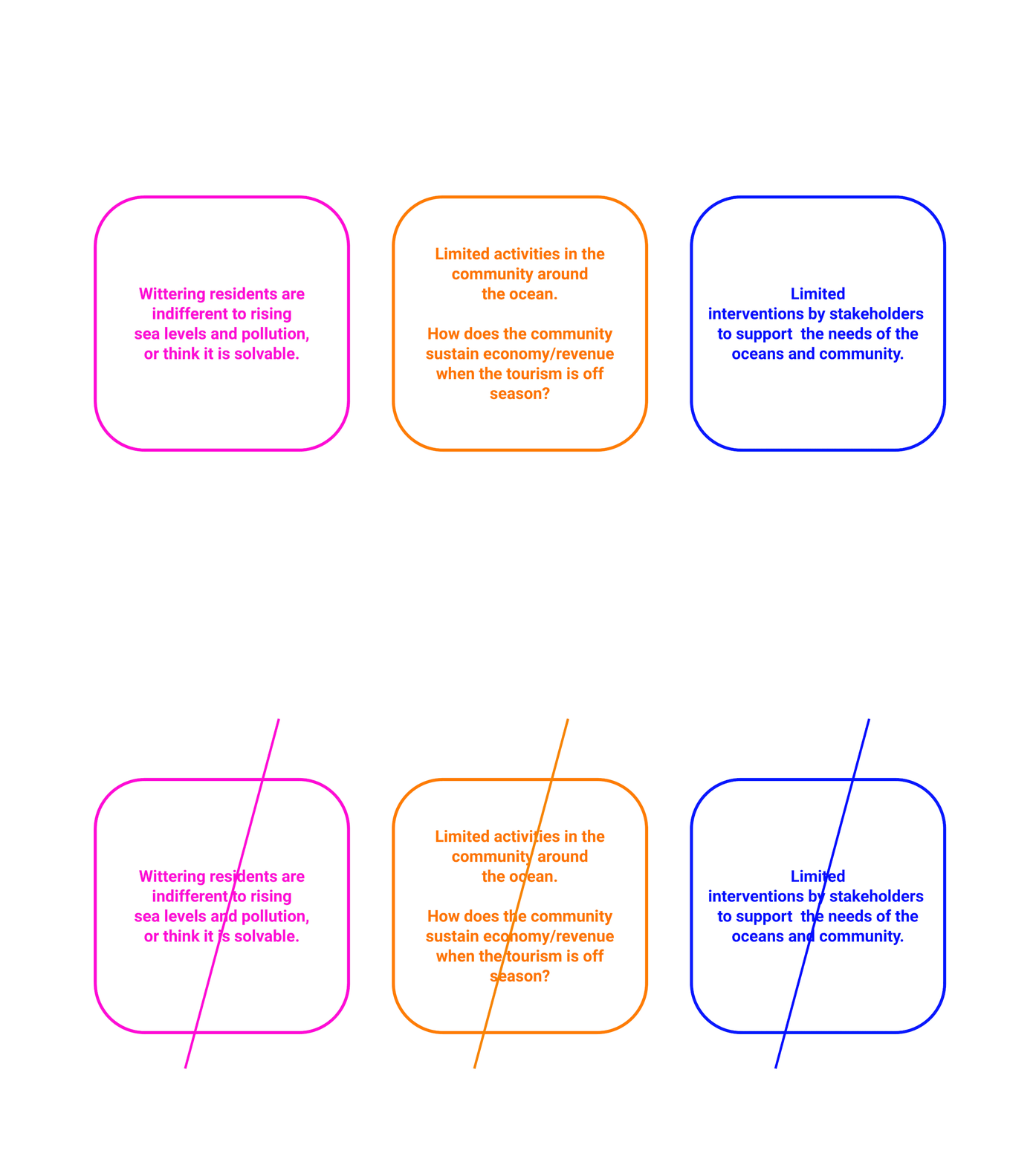
This research led us to 3 key assumptions, which were proven incorrect through the primary research
a.
After conducting several in-depth interviews with the residents, we realised that the change in work culture in London is resulting in the change in the dynamics in people. Significant number of young people are moving to East wittering to reduce their cost of living and lead a quiet life, closer to the nature. This migration is disrupting the quaint coastal community in Manhood Peninsula.
Ideate
b.
Value Proposition
How we initiate an active engagement between the evolving demographics of East Wittering to enable them leverage community strength and build collective resilience?
Collaborate and Deliver
Providing the East Wittering residents with a set of tools that allow them to initiate a conversation thereby reducing the indifferences and building activities that brings the community together, develops resilience and gives them the strength to solve their issues ans stand together as a community.
East wittering is a place which has more number of craft based economy, there are number of independent boutiques and use the waste on the beaches to create recycled products. They are also a population that reaches out to known people in case of crisis, but with new people coming in, they feel disconnected from them, instead of leveraging their assistance to lead better lives.
Providing them with tools that can strengthen the already existing community and enhancing the communication between them.
This project was developed in 4 weeks, in a multi disciplinary team at Royal College of Art. Tutor: Judah Armani